


You're Sweating in the Pool and You Don't Even Know It. Let's Talk About Hydration💧

Because being surrounded by water doesn't mean your body has enough of it.

And yet this is probably the most common thing I come across in aqua classes week after week.
People finish a session, get out of the pool feeling great and head straight to their car without drinking a drop. And when I mention it, the response is almost always the same.
"But I was just in the water."
It makes complete sense why people think that way. You don't feel sweaty. You don't feel hot. The water keeps you cool and comfortable the whole time. So why would you be dehydrated?
Here's the thing. You absolutely can be. And after 40 it matters more than most people realise.
Why You're Still Sweating in the Pool

Your body doesn't know it's in water. It just knows it's working hard and needs to regulate your temperature. So, it sweats. Just like it would on land.
The difference is you can't feel it because the water washes it away instantly. Which means you get none of the usual signals that tell you to drink. No sticky skin. No obvious heat. Just a quiet invisible loss of fluid that adds up over the course of a session.
Research shows that swimmers and aqua exercise participants can lose anywhere between 400ml and 1.5 litres of fluid per hour depending on water temperature, intensity and individual factors.
That's a significant amount. And for people over 40 where the body's thirst mechanism naturally becomes less reliable with age, waiting until you feel thirsty is already waiting too long.
Want to dig into the science? Here's a study worth reading:
Hydration Matters Even More After 40
Here's what dehydration actually does to your body during exercise and it's more than just feeling a bit thirsty.

Even mild dehydration — as little as one to two percent of your body weight in fluid loss — can affect your energy levels, your concentration, your joint function and your recovery time. For people over 40 dealing with hormonal changes that already affect fluid retention and temperature regulation, that impact can feel even more pronounced.
Brain fog after a session? Fatigue that lingers longer than it should? Muscle cramps that come out of nowhere?
Dehydration is often quietly behind all of these and it's one of the easiest things to fix.
What Good Hydration Actually Looks Like
This is the bit people often overcomplicate. It doesn't need to be. Here's what actually works:

Start before you get in. Drink a glass of water before your session. Not a huge amount. Just enough to make sure you're not starting already behind. This one habit alone makes a noticeable difference to how you feel during and after.
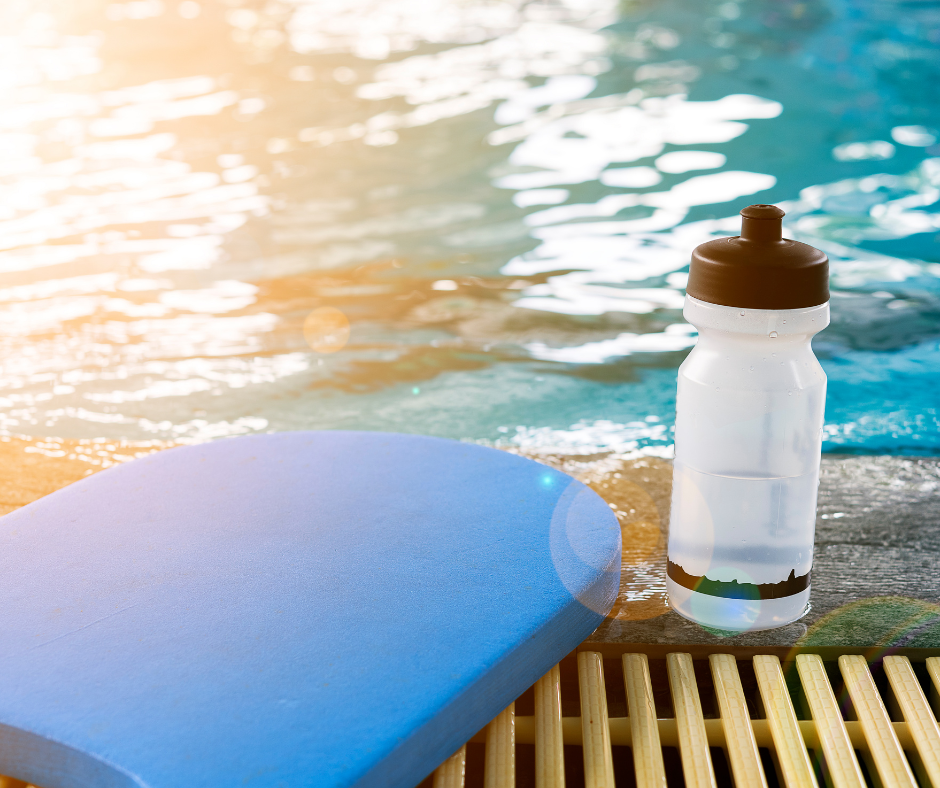
Bring a water bottle to the pool. Sounds obvious but so many people don't. Put it at the end of your lane or on the pool deck within easy reach. Take a few sips every fifteen to twenty minutes even if you don't feel thirsty.

Drink after you get out. Your body is still recovering and rehydrating after exercise. A good glass of water as soon as you're done helps your muscles recover faster and your energy levels bounce back more quickly.

Watch the colour. Pale yellow urine means you're well hydrated. Dark yellow means you need more water. Simple as that.

Be mindful of coffee and alcohol. Both are diuretics which means they work against your hydration. If you're having coffee before a session or a wine after, just be aware and compensate with extra water.
What About Electrolytes?
For most people doing a standard aqua or pool session electrolytes aren't necessary. Water is enough.

But if you're doing longer or more intense sessions, exercising in warm water, or you tend to cramp during or after exercise, adding electrolytes can help. A pinch of sea salt in your water, a banana beforehand or a quality electrolyte drink after a longer session are all simple ways to support your body without overcomplicating things.
It Really Is This Simple
Hydration isn't glamorous. It doesn't get talked about nearly as much as it should and most people don't think about it until they're already feeling the effects. But it's one of the simplest, cheapest and most effective things you can do to support your performance, your recovery and how you feel day to day.
You don't need a fancy supplement or a complicated routine. You just need to drink more water. Consistently. Before, during and after your sessions.
Your body does so much for you. This is one of the easiest ways to give it something back.


And if you'd love some support building simple healthy habits that actually fit your real life, let's have a proper chat.
👉 Book your free initial coaching call here — I'd love to hear from you.
With love and a nudge to get moving,
Kellie 🌿


Comments