


The Missing Piece in Wellness: Learning to Trust Your Own Body

Because no programme, no expert and no app knows your body better than you do.

A few years back I was following a training plan that looked great on paper.
Structured. Progressive. Exactly what I thought I needed. But something felt off. My energy was flat, my body felt heavy and I was dreading sessions I used to look forward to. Every logical signal said keep going. Push through. This is what discipline looks like.
So, I did. For longer than I should have.
And then one day I just stopped and asked myself a question I hadn't thought to ask before.
What does my body actually need right now?
The answer was pretty clear. Rest. Not more structure. Not more pushing. Just rest. And when I finally listened everything shifted. Not just physically. The way I moved, the way I thought about training, the way I showed up for the people I work with. All of it.
That was the moment I realised body trust isn't a soft concept. It's one of the most important skills in wellness. And it's the one nobody talks about.
So Why Do We Stop Listening?

Most of us start out pretty connected. Kids move when they want to, rest when they're tired, eat when they're hungry. It's instinctive.
Then life steps in. We get told to push through. To follow the plan. To ignore discomfort and just get on with it. We hand over our body knowledge to programmes, scales, trackers and other people's opinions about what we should be doing.
And somewhere in all of that we stop trusting our own signals.
By the time most people find me they've spent years second guessing themselves. Wondering if they're doing too much or not enough. Feeling guilty for resting. Quietly convinced they should have figured this out by now.
But that disconnection didn't happen overnight. And neither does finding your way back. That's okay.
What Body Trust Actually Looks Like
It's not about ignoring good advice or ditching structure altogether. It's about holding both. Following a smart plan and still checking in with yourself along the way.

It sounds like noticing you're tired before you hit a wall.
Knowing the difference between muscle soreness that means growth and joint pain that means stop.
Picking up on the quiet signals — disrupted sleep, a flat mood, that low grade fatigue that won't shift — before they turn into something bigger.
None of this is a special skill. It's just practice. And a willingness to slow down enough to actually hear what your body is saying.
What Movement Has to Do With It
Here's something I've seen over and over working with people. The ones who build the strongest relationship with their body aren't always the ones who train the hardest. They're the ones who pay attention while they do it.
Movement done with awareness teaches you things no programme can.
How you feel on the days you sleep well.
How your body responds to stress, to water, to rest.
What genuinely makes you feel strong versus what quietly depletes you.
Aqua exercise does this beautifully.

he water slows everything down just enough to feel what's actually happening — where you're working, where you're compensating, how your body moves when it's supported rather than forced. But honestly any movement done with intention does this. Walking. Stretching. Lifting. The practice of paying attention is what changes things.
Where to Start
Nothing dramatic needed here. Just this...
Before your next session pause for a second and ask how you actually feel. Not how you think you should feel. How you actually feel right now. Let that shape how you move.

After your session notice what shifted:
Energy up or down?
Body feel better or worse than when you started?
Start collecting that information. It matters more than you think.
And when something doesn't feel right — a pain, a persistent tiredness, a gut feeling that something's off — take it seriously.
Your body isn't being dramatic. It's talking. The goal is just to get better at hearing it.
The Part That Actually Matters
Wellness isn't only about what you do. It's about the relationship you have with the body you're doing it in.

And that relationship is built the same way any good one is.
By showing up consistently.
By listening more than you lecture.
By giving it what it actually needs rather than what you think it should need.
You've been living in this body your whole life. At some point that experience has to count for something.
Trust it a little more. It usually knows.
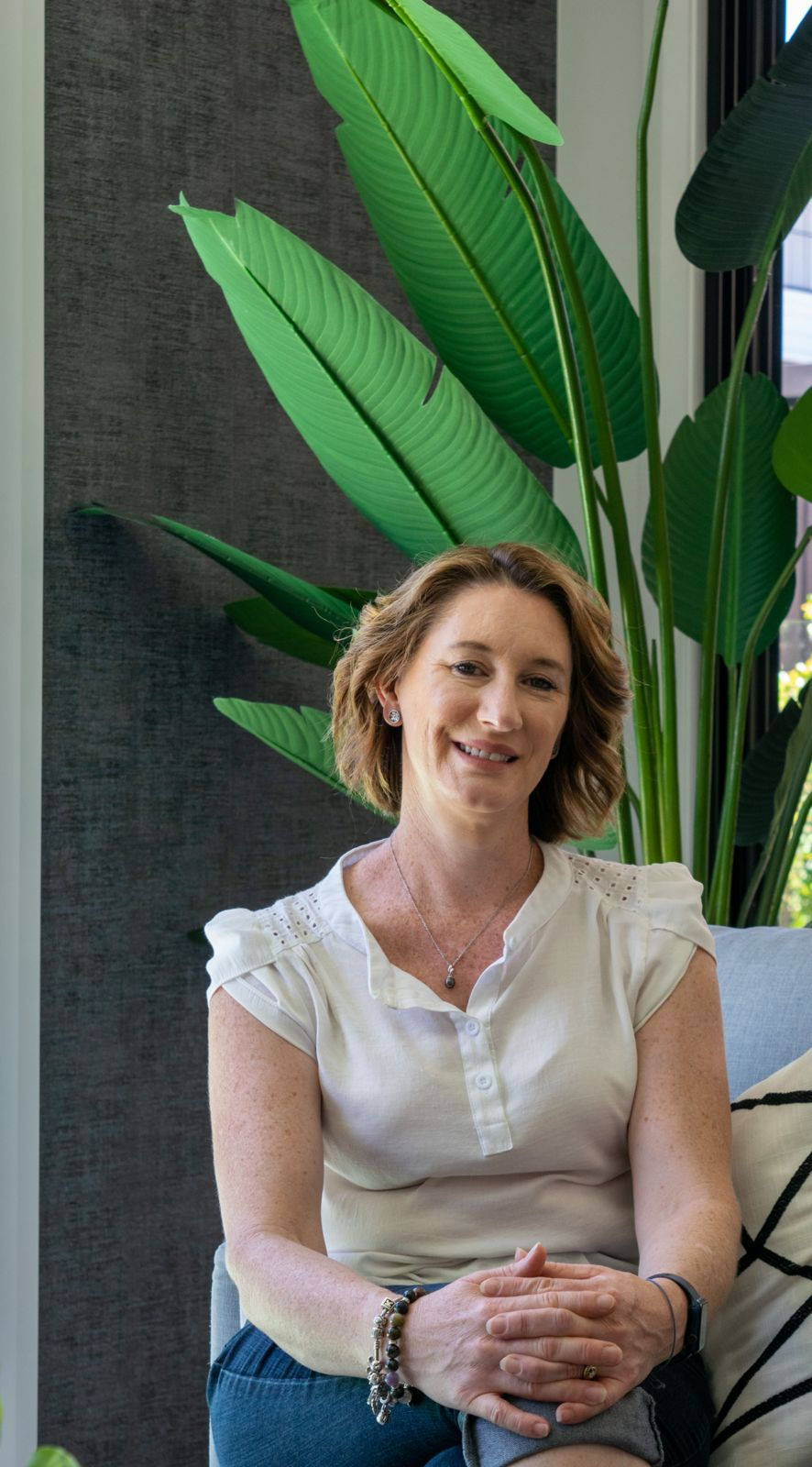
And if you'd love some support learning to move in a way that actually works for your body and your life, let's have a proper chat.
👉 Book your free initial coaching call here — I'd love to hear from you.
With love and a nudge to get moving,
Kellie 🌿


Comments